

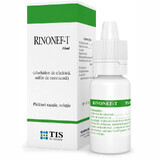
Rinonef-T picături nazale, 10 ml, Tis Farmaceutic
Tis Farmaceutic
Cont

 Cod promoțional APP3 – 3 € reducere la prima comandă în aplicație
 Livrare gratuită pentru comenzi de peste 49 €











Informațiile din secțiunea Întrebări și răspunsuri au fost create de echipa Liki24.be și se bazează pe prospectul oficial al producătorului.
Rinonef T este un medicament de uz nazal, destinat tratamentului rinitelor de etiologie infecțioasă sau alergică și al edemelor mucoasei nazale apărute postoperator. Aparținând grupei farmacoterapeutice a decongestionantelor nazale de uz topic, simpatomimetice în combinații fără corticosteroizi, Rinonef-T asociază acțiunea vasoconstrictoare a clorhidratului de efedrină cu efectul antibacterian al sulfatului de neomicină.
Această combinație permite obținerea unui efect rapid de descongestionare a mucoasei nazale, concomitent cu limitarea multiplicării bacteriene locale, contribuind astfel la ameliorarea simptomelor precum obstrucția nazală, rinoreea și senzația de presiune la nivelul foselor nazale.
Rinonef-T este disponibil sub forma picăturilor nazale, soluție, ambalate într-un flacon picurător din polietilenă, cu un volum de 10 ml. Această formă farmaceutică permite administrarea precisă și localizată a substanțelor active direct la nivelul mucoasei nazale, asigurând un debut rapid al acțiunii terapeutice și limitând absorbția sistemică.
Flaconul este prevăzut cu sistem de picurare care facilitează dozarea corectă, atât la adulți, cât și la adolescenții peste 12 ani.
10 ml de picături nazale Rinonef-T conțin clorhidrat de efedrină – 50 mg și sulfat de neomicină – 50 mg.
Rinonef - T este indicat în:
Prin combinația dintre un agent simpatomimetic și un antibiotic local, medicamentul contribuie atât la reducerea congestiei, cât și la controlul infecției locale.
La copii peste 12 ani, doza uzuală este de o picătură Rinonef-T instilată în fiecare nară, de 2–4 ori pe zi, timp de maximum 5 zile.
Pentru adulți, doza uzuală este de 1–2 picături instilate în fiecare nară, de 2–5 ori pe zi, timp de 5–7 zile.
Nu se recomandă depășirea duratei maxime de tratament, din cauza riscului de apariție a fenomenelor de tahifilaxie și congestie de rebound.
Administrarea Rinonef T antibiotic este contraindicată în următoarele situații:
Utilizarea prelungită a Rinonef-T poate conduce la tahifilaxie, fenomen caracterizat prin scăderea progresivă a răspunsului terapeutic. Administrarea pe perioade mai mari de 7 zile poate determina iritația mucoasei nazale și apariția congestiei persistente, cunoscută sub denumirea de rinită medicamentoasă.
Se recomandă prudență la pacienții cu hipertensiune arterială, afecțiuni cardiovasculare sau hipertiroidie, având în vedere acțiunea alfa-simpatomimetică a efedrinei.
Administrarea Rinonef-T este, în general, bine tolerată atunci când se respectă dozele și durata recomandată. Totuși, utilizarea îndelungată poate determina iritație locală a mucoasei nazale.
În cazul utilizării prelungite sau a dozelor mari pot apărea cefalee, insomnie și palpitații, manifestări asociate absorbției sistemice a efedrinei.
Conform datelor disponibile, nu sunt cunoscute interacțiuni medicamentoase semnificative ale Rinonef-T antibiotic.
Cu toate acestea, se recomandă prudență în asocierea cu alte medicamente simpatomimetice, pentru a evita potențarea efectelor cardiovasculare. Alimentele nu influențează eficacitatea sau siguranța administrării produsului.
Nu au fost raportate cazuri documentate de supradozaj cu Rinonef-T. Totuși, utilizarea prelungită sau administrarea unor doze mari poate duce la apariția cefaleei, insomniei și palpitațiilor, caz în care se impune întreruperea tratamentului și evaluarea medicală.
Rinonef-T trebuie păstrat la temperaturi cuprinse între 15–25°C, în ambalajul original, ferit de lumină și umiditate. Medicamentul nu trebuie utilizat după data de expirare înscrisă pe ambalaj și trebuie păstrat în locuri inaccesibile copiilor.
Rinonef-T poate fi administrat în timpul sarcinii doar dacă medicul consideră că beneficiile depășesc riscurile potențiale, utilizarea fiind strict limitată ca durată. Medicamentul nu este recomandat în timpul alăptării, deoarece efedrina se excretă în laptele matern și poate produce reacții adverse cardiovasculare la sugar.
Rinonef-T nu influențează capacitatea de a conduce vehicule sau de a folosi utilaje, conform informațiilor din prospect. Administrat în dozele recomandate, nu determină somnolență sau afectarea atenției ori a timpului de reacție.
Rinonef-T poate fi administrat la sportivi, însă cu prudență, deoarece conține efedrină, substanță care poate determina pozitivarea testelor antidoping. Se recomandă informarea prealabilă a medicului echipei sau verificarea reglementărilor antidoping înainte de utilizare.
| Categoria | Medicamente fără Rețetă (OTC), Afecțiuni ale Aparatului Respirator, Soluții nazale |
| Brand | Tis Farmaceutic |
| Tip produs | Picături |